A Parent’s Handbook to Braces for Kids
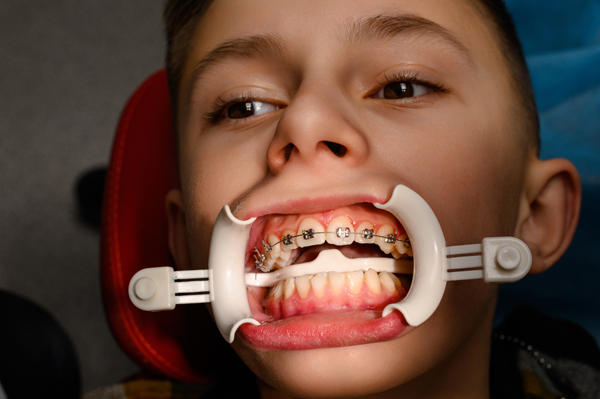
Braces for kids might be what your child needs to put their teeth alignment problems or bite issues behind them. Pediatric dentists have used braces to address orthodontic issues for centuries, and they are still one of the most commonly used teeth straightening devices.
Braces are dental devices that are used to improve teeth alignment. Historically, braces were usually made out of metal alloys, but they can also be made with tooth-colored or clear plastics these days. They work by gently pushing a person’s teeth to an improved alignment over a period of 12 to 36 months. Braces consist of brackets that are cemented to the patient’s teeth and wires that connect the brackets. Tightening these wires increases the force applied to the patient’s teeth.
Some of the issues braces for kids can be used to fix include:
- Spaces between teeth
- Crowded teeth
- Crooked teeth
- Misaligned teeth
- Underbites
- Overbites
Choosing the ideal braces for kids
Parents who are concerned their child might have any of the bite issues listed above should visit a pediatric dentist for an assessment. The dentist will visually inspect the child’s teeth and use diagnostic tests like X-rays to help determine appropriate treatments.
Even parents who do not think their children have any bite issues should bring them in for an evaluation before their seventh birthday. At this point, the child’s bite is defined enough to pinpoint issues and treat them. It is also easier to straighten a child’s teeth at this point since their jaw and other facial structures are still developing.
The four main types of braces parents get to choose from are:
1. Metal braces
These have been around for centuries and remain the most durable and effective type of braces. The main drawback of metal braces is their poor aesthetics. Many people do not like the visuals of having what looks like miniature railway tracks on their teeth.
Metal braces have evolved a lot over the years, and today’s devices are smaller and sleeker than the metal braces used decades ago. They can also be customized with any color, logo, or whatever else your child is into.
2. Ceramic braces
These devices are not as durable as metal braces, but they are less conspicuous. Instead of metal brackets and wires, these devices use tooth-colored ceramic brackets and transparent or tooth-colored wires. It makes the device a lot less noticeable during interactions, which many kids and adults prefer. However, some severe orthodontic issues that require lengthy treatments might require using metal braces.
3. Lingual braces
These are one of the least popular types of braces due to the discomfort they cause some patients, but they provide the best aesthetics. Lingual braces are quite similar to traditional braces, but instead of attaching the brackets and wires to the front of a patient’s teeth, they go on the back of their teeth.
4. Self-ligating braces
These braces are made with sliding doors that hold the wires of the device in place, removing the need for rubber bands like traditional braces. Self-ligating braces also come with less noticeable, smaller brackets. They are also generally viewed as the most comfortable type of braces.
Set your child up for a lifetime of good dental health
Poorly aligned teeth can lead to speech, bite, and developmental issues if left untreated. Call or visit our Franklin Lakes clinic if your child’s teeth are poorly aligned to set up a consultation with our pediatric dentist.
Request an appointment here: https://asterorthodontics.com or call Aster Orthodontics at (551) 209-1243 for an appointment in our Franklin Lakes office.
Check out what others are saying about our dental services on Yelp: Braces for Kids in Franklin Lakes, NJ.
Related Posts
Invisalign® for teens is a discreet treatment that corrects mild and moderate orthodontic issues. Clear braces are an aesthetic upgrade to the metallic look of traditional braces. This quality is the same reason that adults choose Invisalign to straighten their teeth. Like image-conscious teens, adults who would otherwise forego orthodontic treatment can improve their smile…
Many people search for braces for adults when their teeth feel crowded, their bite alignment seems off, or their confidence in a smile starts to fade. Modern braces for adults offer more discreet, efficient, and customizable options than many patients expect. Treatment no longer focuses only on teens; adults of all ages now explore orthodontic…
If you want a straighter smile without the discomfort of traditional metal braces, self-ligating braces offer a comfortable, highly effective alternative. Orthodontic treatment does not have to disrupt your daily routine or make you feel uncomfortable. This modern teeth straightening option can help you find a smoother path to a healthier smile.Traditional braces use tiny…
Accelerated orthodontics combines various treatments and techniques to move teeth more quickly than traditional methods alone. Examples may include minor oral surgical procedures, custom aligner systems, and traditional braces. The goal is to stimulate bone remodeling and realign the smile faster, without compromising patient comfort or long-term results. For many patients, this can mean completing…