A Simple Guide To Surgical Orthodontics
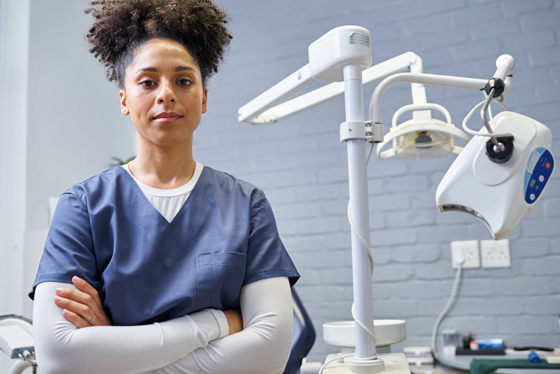
Surgical orthodontics helps correct significant bite and jaw alignment concerns that braces or clear aligners alone cannot fully address. It combines orthodontic treatment with jaw surgery to improve function, comfort, and facial balance when the jaws do not fit together properly. Many patients pursue this option to improve chewing, speech clarity, and tooth contact. A clear plan and coordinated care team make the process easier to understand and manage.
Common signs that a patient should ask about surgical orthodontics
Many patients find themselves searching for more effective solutions, like surgical orthodontics, after years of bite frustration or relapse after earlier orthodontic treatment. For example, an open bite can make it hard to bite into foods, while a severe underbite or overbite can place excess stress on front teeth. Crossbite, on the other hand, may cause uneven chewing patterns and contribute to asymmetry over time. In these situations, straight teeth alone do not guarantee a balanced bite.
Other signs that may warrant discussion of surgical orthodontics include jaw clicking with a significant bite mismatch, frequent biting of the cheeks, or speech issues tied to jaw position. Some patients also report chronic facial tension that worsens during chewing. An orthodontist can help separate what relates to alignment from what relates to muscle habits, airway issues, or conditions affecting the temporomandibular joint (TMJ). Of course, a full exam can help patients develop a clear treatment strategy.
When orthodontists consider a surgical approach
A consultation with an orthodontist often includes digital imaging and a detailed bite analysis. They will evaluate facial proportions, dental crowding, airway considerations, and the function of the jaw joints. For example, some bite problems come from jaw position rather than tooth position. When the upper jaw sits too far forward or back, or when the lower jaw grows unevenly, teeth may not meet correctly, even if they look straight. That mismatch can contribute to chronic wear, jaw strain, traumatic bite-induced gum recession, and difficulty biting through foods. Therefore, the primary aim is to confirm that surgical orthodontics will improve both bite mechanics and long-term stability. This planning stage also helps clarify whether symptoms are related to the bite or to other factors that require separate care.
The typical treatment timeline with surgical orthodontics
Most plans include some sort of non-invasive orthodontic treatment before or after surgery. Pre-surgical orthodontic treatment aligns teeth within each jaw so they fit together correctly once the jaws move into their planned position. This stage can feel counterintuitive because the bite may look temporarily worse, but it prepares for a more accurate surgical correction. After surgery, orthodontics fine-tunes the bite and closes small gaps for a stable finish.
While timelines vary, many patients appreciate knowing the general phases of care. These include:
- Phase one. Orthodontic planning and pre-surgical alignment.
- Phase two. Jaw surgery performed by an oral and maxillofacial surgeon.
- Phase three. Post-surgical healing with guided return to normal function.
- Phase four. Final orthodontic detailing and retention.
No matter the timeline, a coordinated approach between the orthodontist and surgeon helps reduce surprises and keeps goals aligned.
Schedule a consultation
Surgical orthodontics can feel intimidating at first, but it often provides a predictable path when jaw position prevents a stable bite. The best starting point is a consultation that reviews bite mechanics, imaging, and long-term goals, then outlines a step-by-step plan. To schedule your consultation, contact Aster Orthodontics today.
Request an appointment here: https://asterorthodontics.com or call Aster Orthodontics at (551) 209-1243 for an appointment in our Franklin Lakes office.
Check out what others are saying about our services on Yelp: Read our Yelp reviews.
Related Posts
Invisalign® for teens is a discreet treatment that corrects mild and moderate orthodontic issues. Clear braces are an aesthetic upgrade to the metallic look of traditional braces. This quality is the same reason that adults choose Invisalign to straighten their teeth. Like image-conscious teens, adults who would otherwise forego orthodontic treatment can improve their smile…
Many people search for braces for adults when their teeth feel crowded, their bite alignment seems off, or their confidence in a smile starts to fade. Modern braces for adults offer more discreet, efficient, and customizable options than many patients expect. Treatment no longer focuses only on teens; adults of all ages now explore orthodontic…
If you want a straighter smile without the discomfort of traditional metal braces, self-ligating braces offer a comfortable, highly effective alternative. Orthodontic treatment does not have to disrupt your daily routine or make you feel uncomfortable. This modern teeth straightening option can help you find a smoother path to a healthier smile.Traditional braces use tiny…
Accelerated orthodontics combines various treatments and techniques to move teeth more quickly than traditional methods alone. Examples may include minor oral surgical procedures, custom aligner systems, and traditional braces. The goal is to stimulate bone remodeling and realign the smile faster, without compromising patient comfort or long-term results. For many patients, this can mean completing…