Braces for Teens: What Are Your Options?
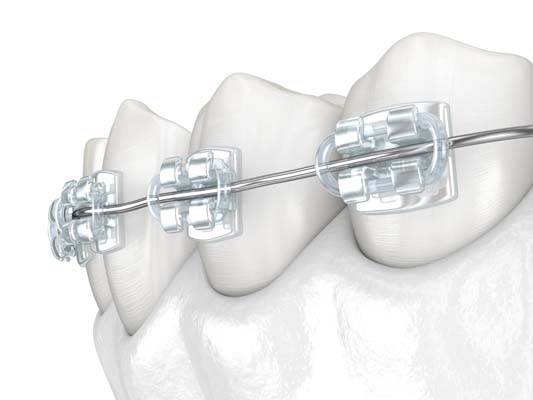
There are now more options than ever for teenagers to reliably and quickly straighten their teeth. Whether you simply want the best results or strongly desire a more discreet treatment, there is an option for you.
What are the different types of braces for teens?
Here, we discuss the various types of braces for teens, highlighting the differences between each and when one may be a better option than another. Patients should also speak with a dental professional to make the most informed treatment decision. The most popular types of braces for teens are metal braces, ceramic braces, lingual braces, and clear aligners.
Metal braces: The popular choice
Metal braces, also called traditional braces, are trusted options that have been around for decades. They are what most people think about when they hear the term, “braces treatment.” They involve the use of metal brackets and wires.
The metal brackets attach to each tooth. A metal wire is then put through the brackets and tightened by the dentist. Over time, the brackets and wires shift teeth into optimal positions. As teeth shift, they are tightened by the dentist on follow-up visits until the patient achieves an ideal alignment. Metal braces are ideal for teens with mild and severe misalignments.
Ceramic braces: A more discreet option
Ceramic braces are similar to metal braces in that they use brackets and wires in the same way. However, the difference is that the brackets are a tooth-colored ceramic color. This helps them blend in with the natural shade of the teeth, making them a more subtle option. Getting ceramic braces is an ideal solution for teens who may otherwise feel insecure or self-conscious about how their smile would look with metal braces.
Lingual braces: A unique alternative to traditional braces
Lingual braces work similarly to metal and ceramic braces. However, rather than attaching to the front, visible surfaces of teeth, they attach to the backs of the teeth. This enables the patient to maintain a natural smile. In fact, other people are not likely to notice that they are even wearing braces at all. However, this is a more complex treatment for dentists, and subsequently, they may cost more than alternative options.
Clear aligners: A discreet option for less severe misalignments
Clear aligners are an alternative to braces. For those who are eligible for clear aligners, they are an ideal choice. These transparent plastic trays are placed over the teeth, and they slowly pull and push the teeth into the optimal alignment. However, they are not as well-suited to treating severe misalignments as traditional braces.
We offer braces treatment for patients of all ages
Here at our orthodontic practice, we specialize in braces for teens. If your teen (or you!) are in need of a straighter smile and improved oral health through teeth alignment treatment, then please do contact us today to schedule a consultation visit.
Request an appointment here: https://asterorthodontics.com or call Aster Orthodontics at (551) 319-1303 for an appointment in our Franklin Lakes office.
Check out what others are saying about our services on Yelp: Read our Yelp reviews.
Related Posts
Invisalign® for teens is a discreet treatment that corrects mild and moderate orthodontic issues. Clear braces are an aesthetic upgrade to the metallic look of traditional braces. This quality is the same reason that adults choose Invisalign to straighten their teeth. Like image-conscious teens, adults who would otherwise forego orthodontic treatment can improve their smile…
Many people search for braces for adults when their teeth feel crowded, their bite alignment seems off, or their confidence in a smile starts to fade. Modern braces for adults offer more discreet, efficient, and customizable options than many patients expect. Treatment no longer focuses only on teens; adults of all ages now explore orthodontic…
If you want a straighter smile without the discomfort of traditional metal braces, self-ligating braces offer a comfortable, highly effective alternative. Orthodontic treatment does not have to disrupt your daily routine or make you feel uncomfortable. This modern teeth straightening option can help you find a smoother path to a healthier smile.Traditional braces use tiny…
Accelerated orthodontics combines various treatments and techniques to move teeth more quickly than traditional methods alone. Examples may include minor oral surgical procedures, custom aligner systems, and traditional braces. The goal is to stimulate bone remodeling and realign the smile faster, without compromising patient comfort or long-term results. For many patients, this can mean completing…